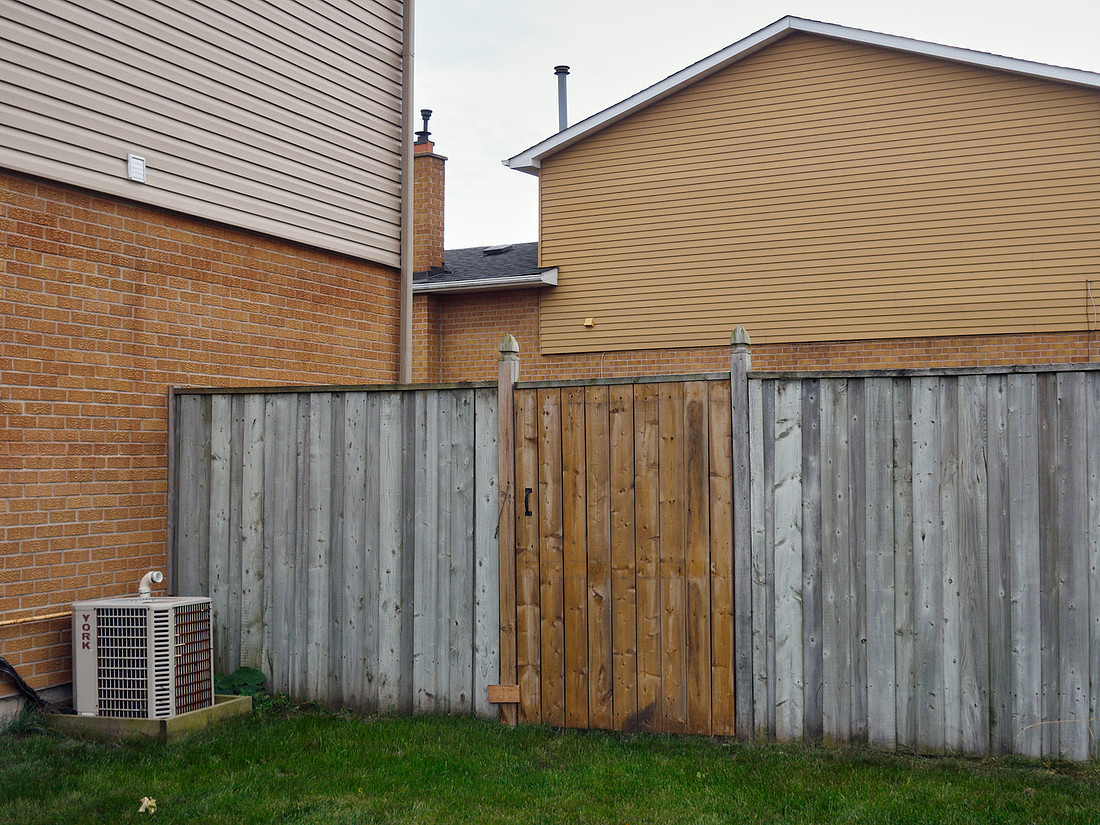
The Epitome of Cookie-Cutter Suburbia: Corner Lots in Mississauga

One of the most common criticisms or stereotypes of suburbs and post-war urban development overall in the USA and Canada is their "cookie-cutter" nature. That is, the reuse of a particular design across multiple lots to save the developers money and to speed up development, particularly in places that are seeing rapid population growth. This may result in the lack of a sense of "place", which is the inability to distinguish one location from another. Correcting this is one of the main goals of "New Urbanism" championed by the likes of Andres Duany: building neighbourhoods centred around a particular landmark and embracing faux-historic architectural style to make them stand out.
Personally, I am not sure how obvious or relevant it is or that a house on a small, quiet suburban street is of the same basic design as another further down the street, and it's not like entire neighbourhoods are being built by a single developer. Furthermore, there is no lack of repeating building designs in old pre-war neighbourhoods. That said, there are instances where the reuse of building designs are painfully obvious in the suburbs of Toronto, including my hometown, Mississauga, Ontario. I am talking about the houses on the corner lots:
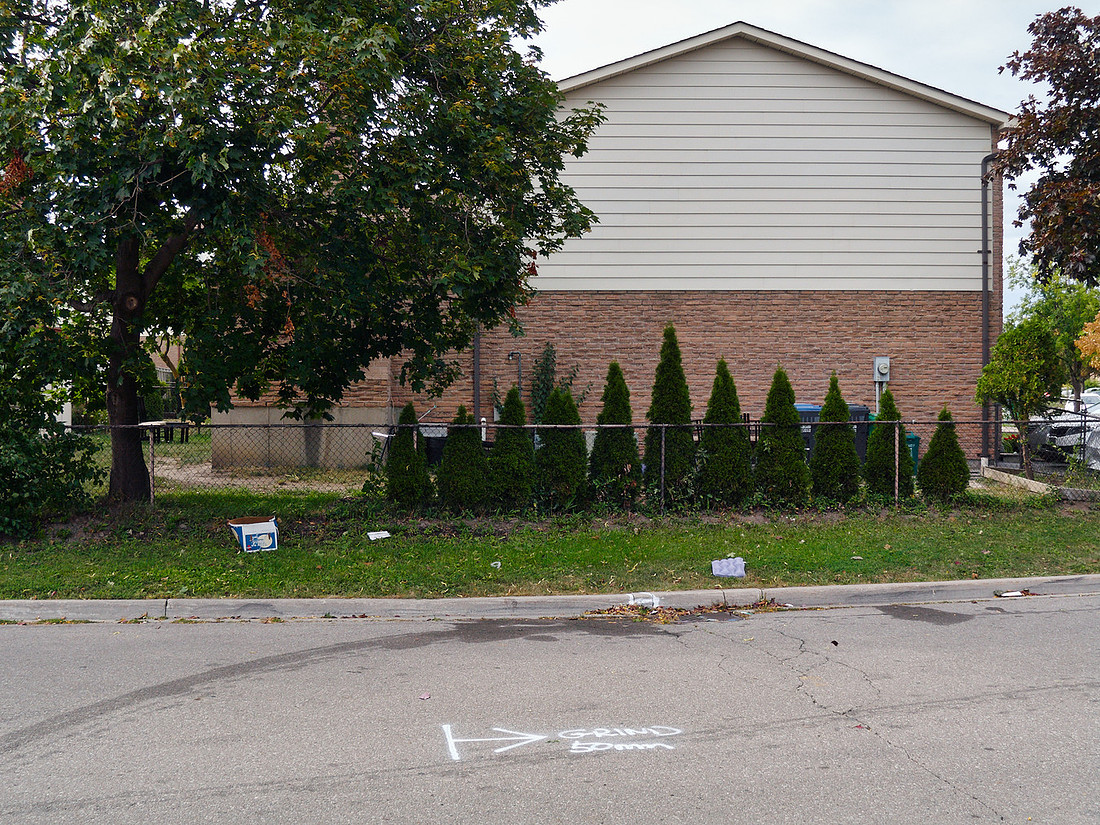

That's right, developers built so quickly and cheaply in this neighbourhood, they didn't even bother to come up one or two building designs specific to intersections to take advantage of the extra visibility and accessibility of the side of the building. No side doors, no extra windows, nothing but a blank wall. The houses at these street corners look no different than the other houses. As a result, the intersections, which connect streets and neighbourhoods, where people come together, where people's paths cross, what should be most identifiable locations and help people find their way around, lack that sense of "place."
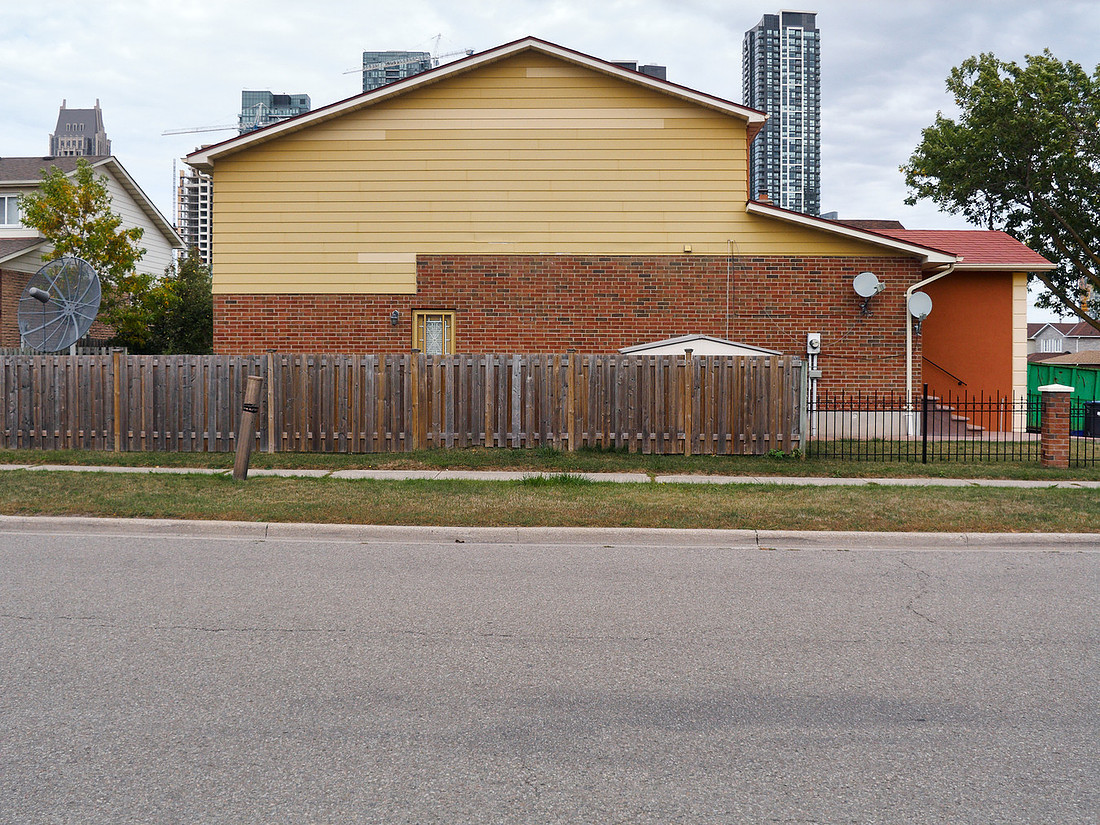
Maybe you don't need a landmark or kitschy, faux-historic New Urbanist architecture to add a sense of place. Maybe it's as simple as building some houses with designs that take advantage of corner locations. Extra windows, a side entrance instead of front entrance, an extra walkway, these are little details, but they can make a big difference. The attention to details, that is what makes a place truly stand out and gives it character. Of course, some residents of these houses try to add their own sense of place, give their unique touch to their lot, but perhaps it makes the flaws all that more glaring:
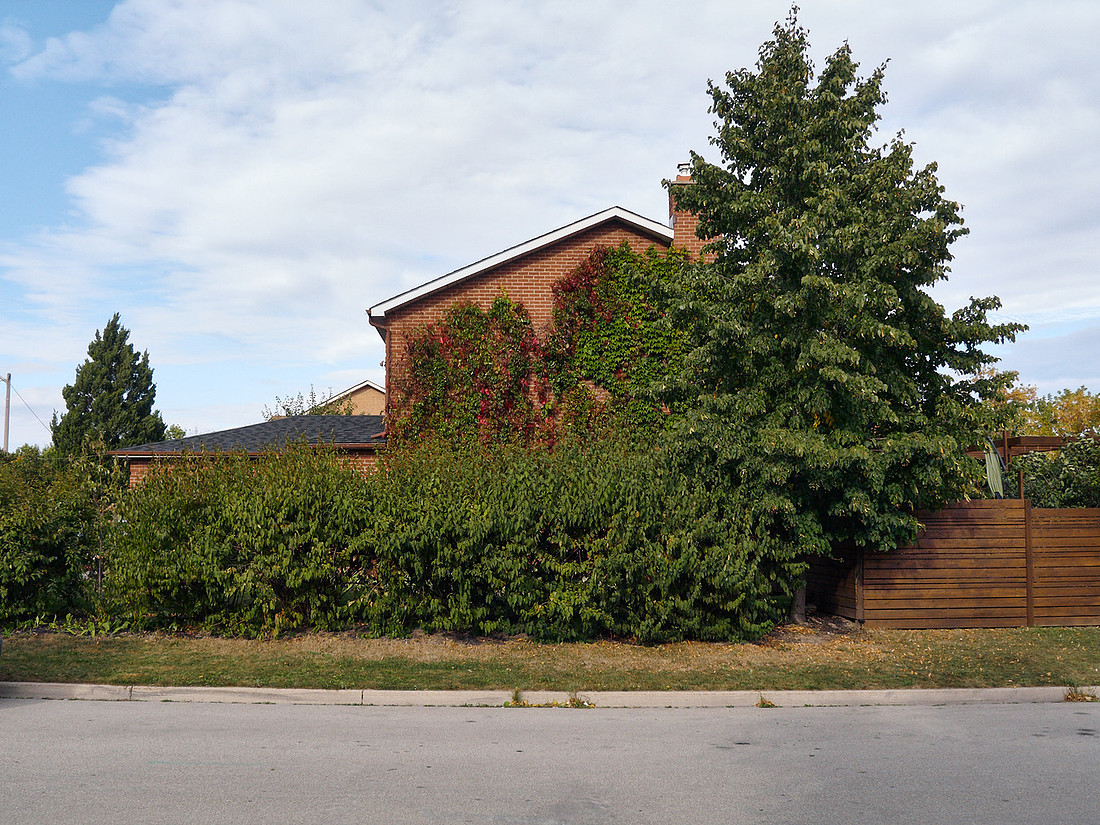
Of course, one might ask, even if the house isn't on a corner lot, shouldn't it still have windows? And that might be a good question. Honestly, I live the end unit of a townhouse in another part of Mississauga, it's not a corner lot, and it has five side windows. So why developers would build a single-family, detached house with no side windows confuses me as well. It seems that not only are developers unconcerned about a better public realm, but they also seem unconcerned about better private living spaces.
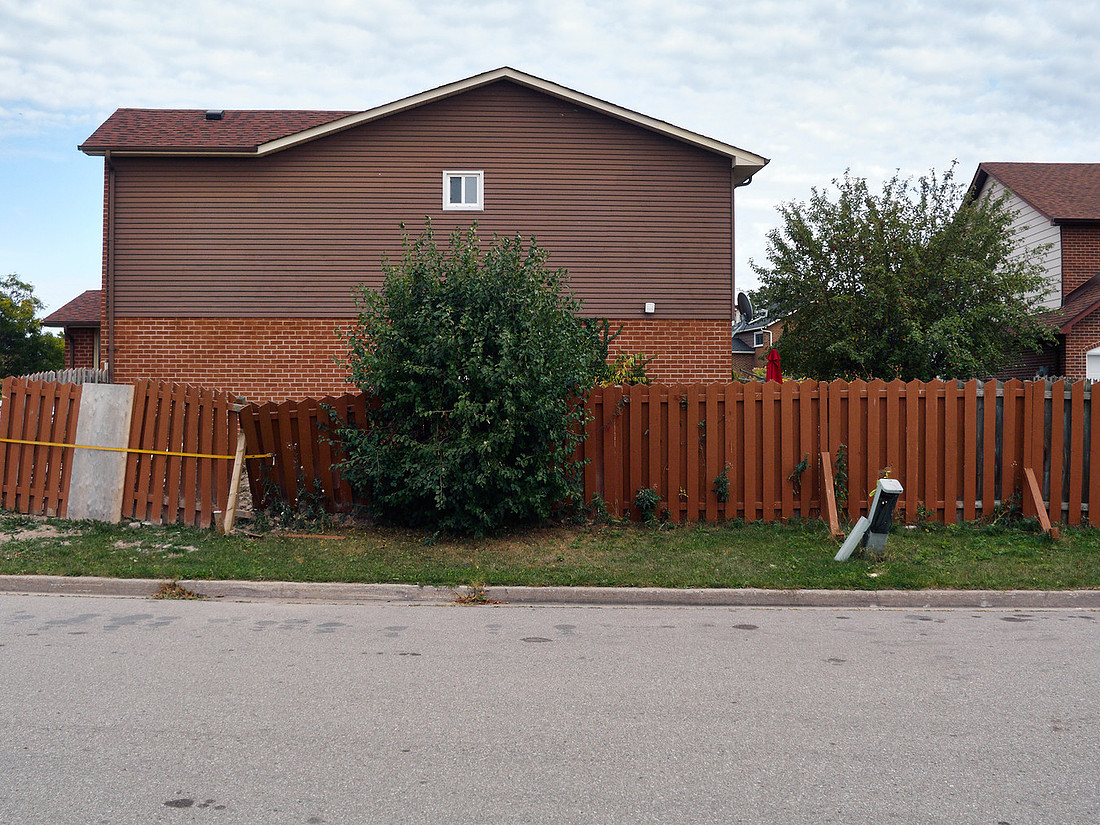
I think the real question is not why developers build houses this way, but rather why governments allow them to build houses this way. High housing costs are blamed on "red tape" and restrictive government policies. Less government intervention is the solution to high housing costs, politicians like Doug Ford argue. Is government intervention to blame for the "shoebox condo"? Well, you can look these photos and the rest of the series and decide for yourself whether more developer freedom and fewer government regulations would be good for aspiring homeowners.
For the the full series, visit: Corner Lots.